
In real estate, location is often considered the single most important factor that determines a property’s long-term success. Even a well-designed property may fail to provide strong returns if it is located in an underdeveloped or poorly connected area. Buyers and investors who choose the right location usually experience better appreciation, stronger rental demand, and easier resale opportunities.
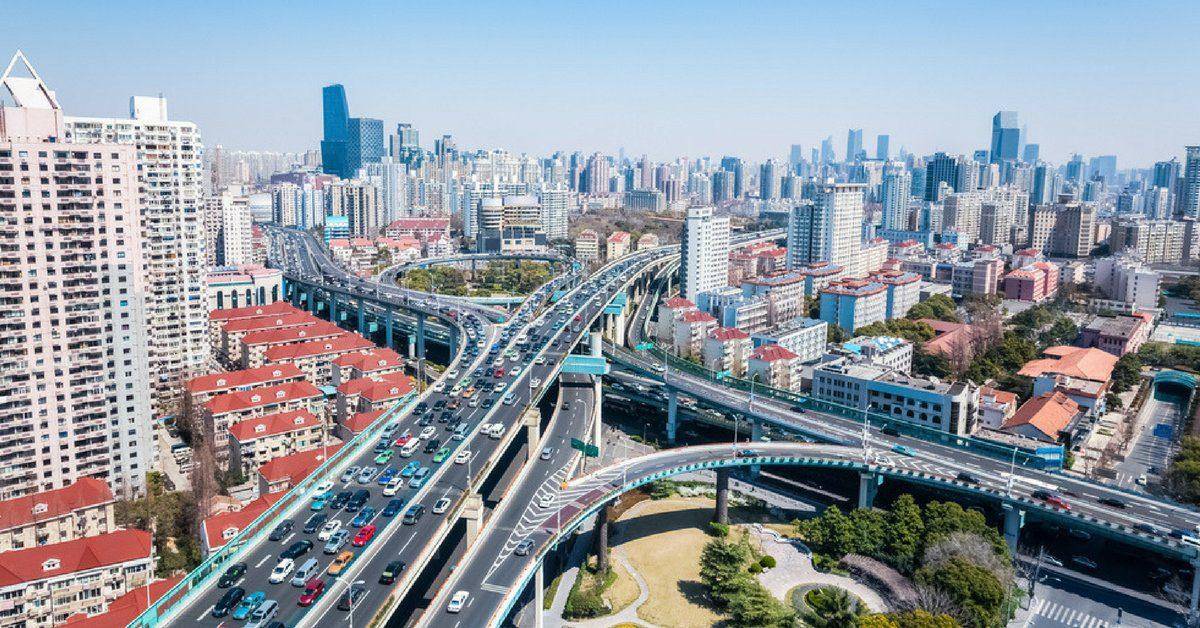
Connectivity is one of the key reasons location matters. Properties located near highways, metro stations, airports, offices, and public transport systems are more convenient for residents and businesses. Good connectivity improves daily commuting and increases demand from buyers and tenants.
Nearby amenities also strongly influence property value. Schools, hospitals, shopping centers, banks, restaurants, parks, and entertainment zones improve quality of life and attract more residents. Families especially prefer locations with strong educational and healthcare facilities nearby.
Infrastructure development is another major factor affecting location value. Areas with upcoming metro projects, IT parks, business hubs, industrial zones, and smart city initiatives often experience rapid appreciation. Early investment in such locations usually generates strong long-term returns.
Safety and neighborhood quality also impact real estate investment success. Clean, peaceful, and secure communities attract better tenants and maintain stronger resale demand. Buyers should evaluate road conditions, drainage systems, water supply, lighting, and community environment before investing.
Rental demand is generally higher in well-located areas because people prefer properties close to workplaces and essential services. Investors who purchase property in strategic locations often benefit from both stable rental income and future appreciation. Proper location research is essential for safe and profitable real estate investment.
Connectivity & Transportation
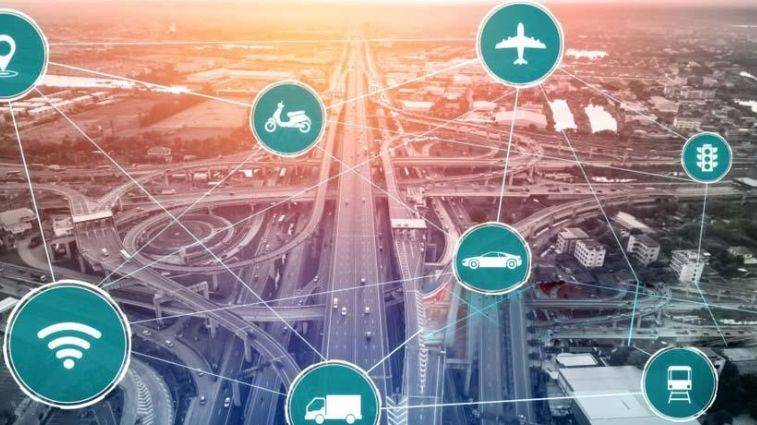
Properties with easy access to highways, metro stations, airports, and public transportation attract higher buyer and tenant demand. Good connectivity improves convenience and reduces travel time for residents.
Locations with strong transportation infrastructure often experience better property appreciation because they remain attractive to both homebuyers and businesses. Connectivity is one of the strongest drivers of real estate demand.
Nearby Amenities & Lifestyle
Schools, hospitals, shopping malls, restaurants, parks, and offices improve lifestyle quality and increase property attractiveness. Buyers and tenants usually prefer locations with essential services nearby.
Areas with better lifestyle facilities generally maintain stronger resale demand and rental occupancy. Good amenities improve both living experience and long-term investment value.

Future Infrastructure Growth
Upcoming infrastructure projects such as metro rail, highways, airports, and IT parks often increase property demand and appreciation potential significantly.
Investors who identify future growth zones early usually benefit from lower entry prices and stronger long-term returns. Infrastructure growth transforms underdeveloped areas into profitable investment destinations over time.

Rental Demand & Resale Value
Well-located properties usually attract more tenants and maintain higher occupancy rates because people prefer convenience and accessibility. Strong rental demand creates stable passive income opportunities for investors.
Good locations also improve resale value because future buyers are willing to pay more for properties in developed and well-connected areas. Strategic locations provide both short-term income and long-term financial growth.